
Guide
Is your house over 45 years old? Historic review for remodels, additions and teardowns
The short answer
If it is, and it sits in the City of San Diego, most permits for work on the lot start with a historical screening, and the exemptions are narrow: interior work, in-kind roof and foundation repairs and a rear-yard pool. Staff use your photographs and records to decide whether the site may be historic, and if it may be, your design is checked against federal preservation standards. A teardown that cannot meet them can go to the Historical Resources Board.
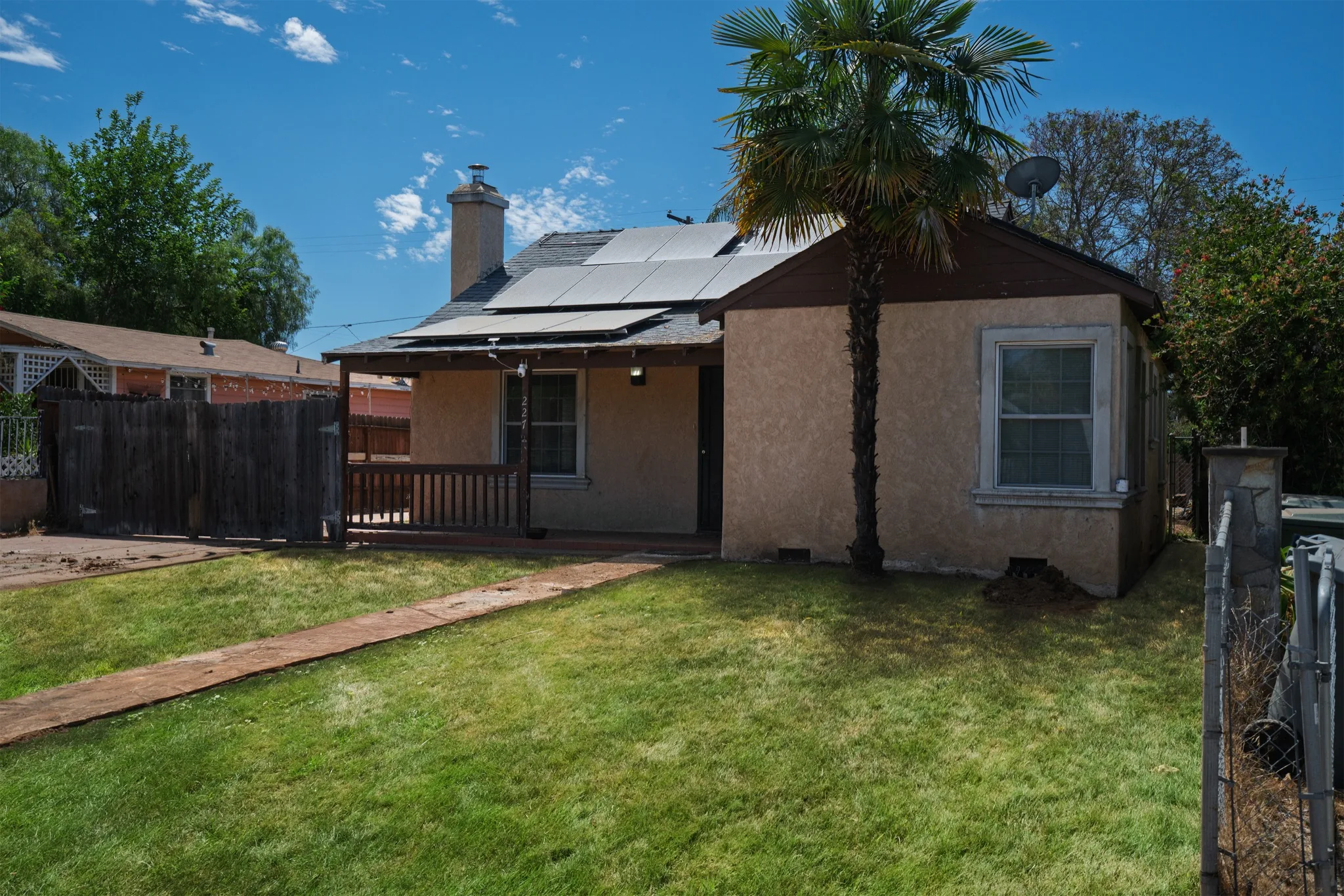
What starts the screening
The rule is section 143.0212 of the City of San Diego's Municipal Code. Before the City issues a construction permit or a development permit for a parcel with any structure 45 or more years old, staff decide whether a site-specific historical survey is needed. No-Plan permits count, and so does every structure on the parcel, not only the house.
You meet it in each kind of permit: an addition or remodel with any exterior work, a No-Plan permit whose scope is not exempt, and the demolition of any structure 45 years old.
The age comes from the County Assessor's building record, and if that record is unclear, the City sends the project to the review anyway. The City's own building records do not go back before 1955.
Two details sit at the edges. Some areas are exempt under the City's Historical Resources Guidelines. And separate sensitivity maps flag parcels likely to hold archaeological sites, which can need a survey whatever the age of the buildings.
What is exempt
- Interior work, and repairs or changes that need only an electrical, plumbing or mechanical permit, as long as nothing changes on the outside of any building.
- Repairing or replacing a roof in kind.
- Repairing or replacing a foundation in kind, unless it is a decorative block or cobblestone foundation.
- Building or removing a pool in the rear yard, unless the parcel is one the archaeological maps flag for a survey.
Everything else that needs a permit goes through the screening, from a re-stucco or new siding to an addition or a teardown.
What you hand in
- The building record from the County Assessor's office, or a note that none exists.
- Current color photographs of every side of every building on the site, the front seen from the street and any detail the work touches, with a key showing where each was taken. You take them yourself; images from online map services are refused.
- A site plan, when the application is a No-Plan permit.
- For a discretionary project, a written description of the property and its Notice of Completion. Staff may also ask for the chain of title, past occupants, historic photographs and Sanborn maps, and sending them up front can shorten the review.
The City's historical FAQ adds building and water permit records to what staff look at before deciding whether a site-specific study is needed.
How long it takes and what it costs
There is no over-the-counter review. The City's bulletin says the review typically takes 10 business days on a ministerial project, such as a building permit, and 20 business days on a discretionary one. The code gives staff 10 business days on a construction permit, and 30 calendar days on a development permit, to decide whether a survey is needed.
Review time is billed by the hour, on top of the permit fees, at the rates in the City's fee schedule.
As a courtesy, the City also posts online the locations of recent construction permit applications on sites with buildings 45 years old or older, and takes public comments on whether the property is historic for five business days after the posting.
The three outcomes
| Finding | What happens next |
|---|---|
| Not historic | The permit moves on, and the parcel is exempt from further historical review for five years. |
| Potentially historic, and the project meets the Secretary of the Interior's Standards for the Treatment of Historic Properties | The permit moves on, with the plans stamped by historical staff. Every later change to the property is reviewed again. |
| Potentially historic, and the project does not meet the Standards | You redesign to meet them, and the property keeps its potentially historic status, or you commission a site-specific Historical Research Report. If staff then find the property potentially significant, it goes to the Historical Resources Board to consider designation. |
A site-specific study done for a discretionary project has to follow the City's report guidelines and be prepared by someone who meets the federal professional qualification standards for historic preservation.
Remodels and additions on an older house
On a potentially historic site, the test for an addition or an exterior remodel is whether the design fits the Standards. The City's FAQ says a project that meets them can avoid designation, and with it the Site Development Permit a designated site would need.
You can test a design before you apply. Historical staff will meet you for up to half an hour at no charge and give spoken comments, and a Single Discipline Preliminary Review returns staff comments on how the design fits the Standards. Neither replaces the review once you apply.
Teardowns
Taking down a whole structure needs a Demolition/Removal Permit; taking down part of one needs a building permit. If any structure on the site is 45 years old, the screening applies to the demolition too.
When staff find a potential resource and the project cannot meet the Standards, the study goes to the Historical Resources Board, which considers designating the site. If the board designates it and the project still does not meet the Standards, it needs a Process Four Site Development Permit: the board makes a recommendation at a public hearing, the Planning Commission decides, and the decision can be appealed to the City Council.
A discretionary project also needs an extended initial study under the California Environmental Quality Act while staff decide on historical significance. And the City will not issue a demolition permit while a development permit for the same property is still being processed.
If your house is already designated or in a historic district
A different bulletin applies. Every change to a designated resource, or to a property in an adopted historic district, is reviewed for consistency with the Standards, even changes that would not normally need a permit, and a design that does not meet them moves into a discretionary process.
On a single-family lot with a designated resource or in a historic district, minor alterations that meet the Standards and interior changes that leave the property's character intact need only a construction permit. Other work needs a Process Four Site Development Permit. Minor electrical, plumbing and mechanical work there cannot use the City's no-plan Simple permits and goes in with plans.
Designation has an upside. Only a property designated by the City can enter a Mills Act agreement, which can lower its property taxes in return for keeping it to the Standards.
What changes the answer
Everything above is the City of San Diego's rule. These are the cases where the answer moves.
Another city
The 45-year screening is written into the City of San Diego's own code. Other cities run their own historic programs: Escondido, for one, works from a survey of properties that were 50 years or older when it was done, a voluntary local register and separate rules for its Old Escondido district.
The unincorporated County
The screening is part of the City's Municipal Code, so it does not reach unincorporated communities. Ask the County how it treats older buildings before you plan an exterior change or a teardown there.
A recent clean finding
If the City found your parcel not historic in the last five years, the parcel is exempt from further historical review until that period ends.
A survey already accepted
Once the City has accepted a site-specific survey for a proposed project, the code says no further survey is required for it under this section.
The Coastal Overlay Zone
Near the coast, removing half or more of a building's exterior walls, counted in linear feet floor by floor and including walls lost by accident, needs a Coastal Development Permit, on top of any historical review.
Next steps
Check the age of every building on the lot, find your authority, then tell us what you want to change.